
Environmental
Less carbon. More circularity.
From recycled and low-carbon materials to renewable electricity – we reduce the footprint of our products and operations across scopes 1, 2 and 3.
Our environmental strategy combines decarbonisation, circular material use and responsible resource management, with emissions tracked every month.
Climate strategy
Cutting emissions across all scopes.
Scope 3 makes up most of our footprint – above all purchased plastic, steel, metal containers and wheels. That is why recycled and lower-carbon materials are at the heart of our climate strategy.
In 2025, Scope 1 and 2 emissions fell by 6.7% and Scope 3 intensity by 18% – both ahead of our yearly milestones.
Total GHG emissions, thousand tCO₂e (market-based)
Three levers
From materials to mobility.
Eco-design & innovation
Lower carbon, built in.
An eco-design checklist covers every lifecycle stage. Three recent results:
Ilab · LV-M Zero
Low-carbon steel containers
About 1.6 kgCO₂e per kg of steel instead of 3.3 kgCO₂e – backed by an Environmental Product Declaration.
Molok Domino
Low-carbon concrete wells
Concrete wells for semi-underground containers with half the CO₂ emissions.
Herford
Recycled lids
Grey four-wheel lids made from 100% recycled plastic; two-wheel lids now with up to 50%.
Resources & pollution
Using less. Losing nothing.
Closed water loops, sorted waste streams and certified pellet-loss prevention at our plants.
FAQ
Environmental performance.
How much has SULO Group reduced its emissions?
In 2025, SULO Group reduced its total market-based greenhouse gas emissions by 14% compared with 2024, from 313,364 to 268,769 tCO₂e. Scope 1 and 2 emissions fell by 7% and Scope 3 emissions by 14%.
What are SULO Group’s Scope 3 emissions?
Emissions outside SULO Group’s direct control but linked to its value chain – mainly purchased plastic, steel, metal containers and wheels, plus transport and product end of life. They account for most of the Group’s footprint.
Are SULO Group bins made from recycled plastic?
Yes. In 2025, 80% of the plastic SULO Group used was recycled material, mainly from household plastic waste and disused bins. DIN CERTCO certifies a minimum of 80% recycled content in the lid and body of bins in grey, green, brown and dark blue.
What is Operation Clean Sweep?
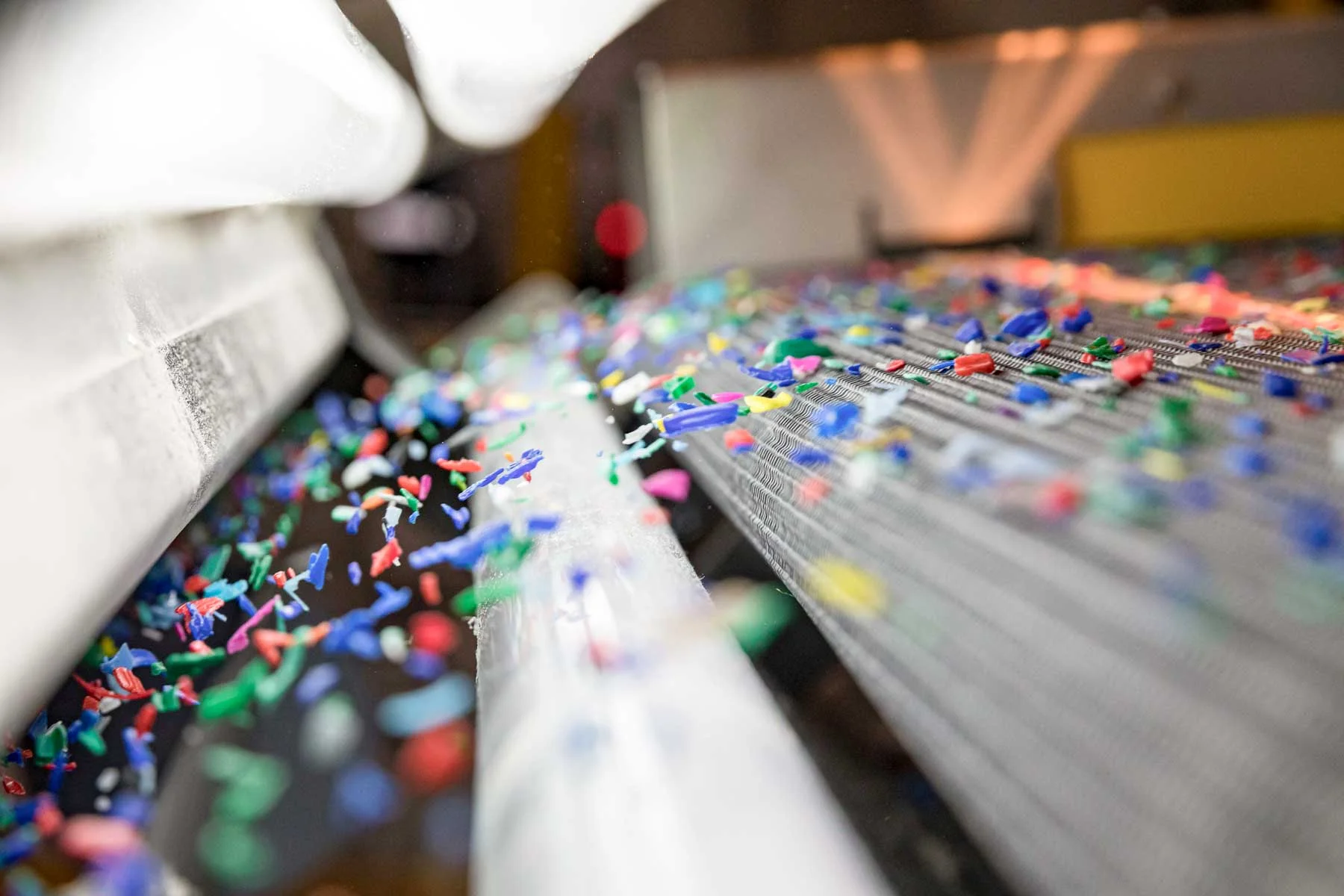
An international programme to prevent plastic pellet loss and microplastic release. Five SULO Group companies are certified: Langres, Bort-les-Orgues, Herford, Ribarroja and Molok.
Sustainability is also social.
Safety, skills and inclusion across 2,300 employees and our supply chain.